Working in remote or unstable environments comes with a unique set of challenges. From soft ground conditions to limited infrastructure, construction crews need reliable solutions to keep projects moving safely and efficiently. That’s where access matting plays a critical role.Whether you’re operating in forestry, mining, oil and gas, or civil construction, understanding how access mats, rig mats, and crane mat systems function can help you make smarter decisions on-site. In this guide, we break down everything you need to know about access matting and how to choose the right solution for your project.
What Access Matting Does and Why It’s Essential on Remote Job Sites
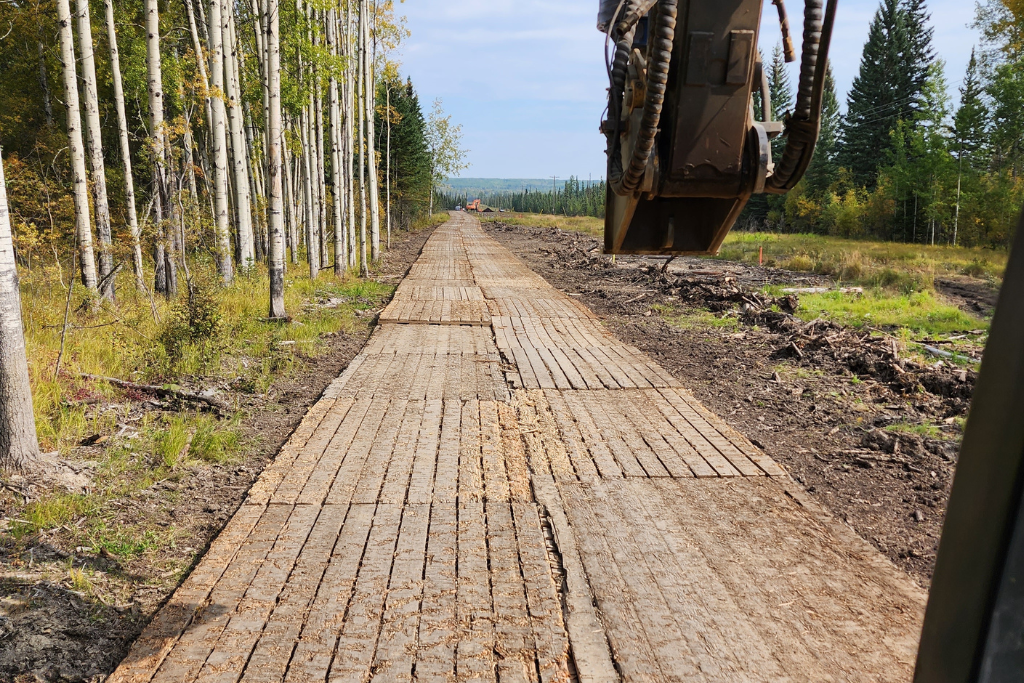
Access matting provides a stable, temporary surface that allows heavy equipment and vehicles to operate in areas where the ground would otherwise be too soft, muddy, or uneven. Remote job sites often lack established roads or infrastructure, which makes transporting materials and machinery difficult. This is where construction access mats come in. By distributing weight evenly across the ground, access mats prevent equipment from sinking and reduce the risk of accidents or delays.
Key benefits of access matting include:
- Improved site accessibility in remote or environmentally sensitive areas
- Enhanced safety for crews and equipment
- Reduced environmental impact by minimizing soil disturbance
- Faster project timelines with fewer delays due to terrain issues
For companies like Great Northern Bridgeworks, access matting is a foundational solution that supports everything from bridge installations to large-scale civil construction projects. Without access matting, many remote builds simply wouldn’t be feasible.
Understanding the Differences Between Access Mats, Rig Mats, and Crane Mats
Not all access matting solutions are created equal. Depending on the scope of your project, the type of equipment being used, and the condition of the ground, you will need a matting solution built for the specific demands of the site. What works for a temporary access road may not be suitable for a heavy lifting zone, and using the wrong type of mat can quickly create safety issues, slow down production, and increase costs.
Access Mats
Access mats are the most commonly used form of access matting because they are versatile and effective for a wide range of job site conditions. They are typically used to create temporary roads, staging areas, or work platforms for light to medium-duty vehicles and equipment. In industries like forestry, utility work, pipeline access, and early-stage construction, access mats help crews move in and out of remote areas without tearing up the ground or getting equipment stuck. They are often the go-to choice when the goal is to improve site accessibility and maintain progress in areas with soft, wet, or uneven terrain.
Rig Mats
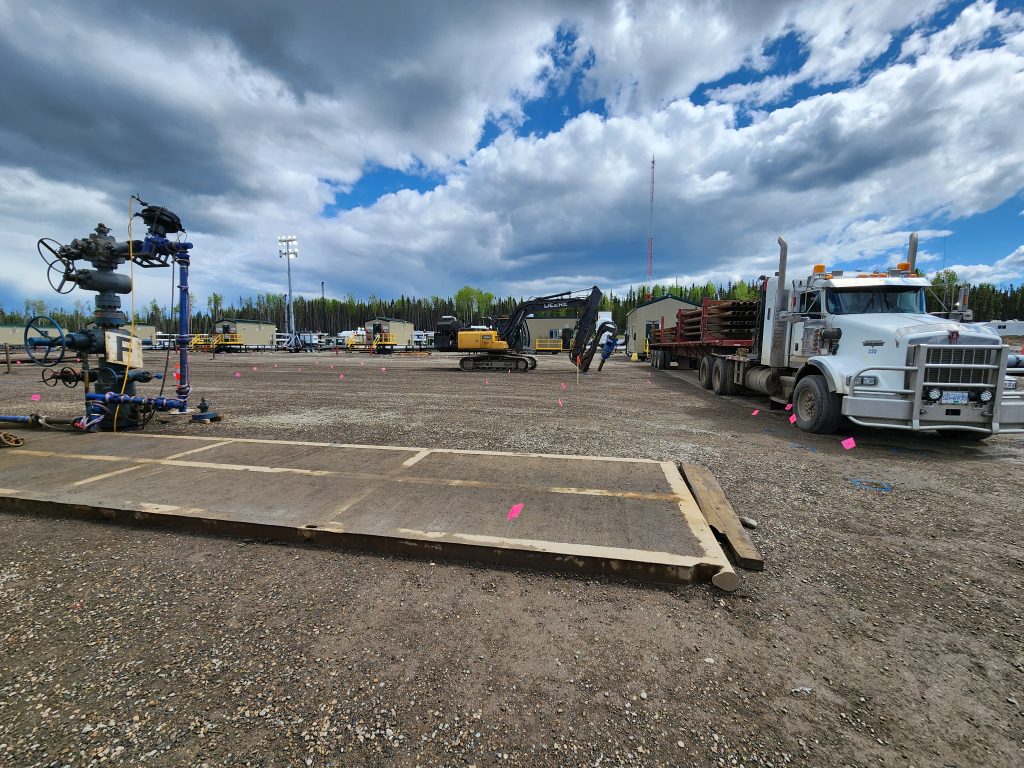
Rig mats are a much heavier-duty option. While they serve a similar purpose, they are built to handle significantly greater loads and more demanding operating conditions. Rig mats are commonly used where large industrial machinery, drilling equipment, or repeated heavy traffic need reliable support. In oil and gas, energy, and major infrastructure projects, rig mats provide the strength and durability required to stabilize work zones over extended periods. When the site demands a more robust access matting system that can withstand constant pressure and extreme weight, rig mats are often the better fit.
Crane Mats
A crane mat is even more specialized. These mats are designed specifically for crane setups and lifting operations, where the load is not only heavy but also highly concentrated. Crane mats are thicker and stronger in order to distribute that pressure more effectively and reduce the risk of ground failure during a lift. This added stability is essential for protecting both equipment and crews, especially on sites where soil conditions are poor or where precision lifting is required. In these situations, standard access mats may not provide enough support, which is why a dedicated crane mat is so important.
Choosing the right type of access matting helps ensure your site remains safe, efficient, and cost-effective from start to finish. It also allows you to match the solution to the actual demands of the project rather than overbuilding or underestimating what the terrain requires. The right matting system supports smoother operations, protects the ground, and helps avoid the instability, equipment damage, and unnecessary delays that can happen when the wrong product is used.
Why Wood Access Mats Are a Reliable Choice for Construction Access
When it comes to dependable and versatile access matting, wood access mats remain a popular option across industries. Made from durable hardwood, these mats are built to handle significant weight while still being relatively easy to transport and install. Their adaptability makes them suitable for a wide range of applications, from temporary roadways to staging areas.
Advantages of wood access mats include:
- Strong performance under heavy loads
- Cost-effective compared to synthetic alternatives
- Reusable across multiple projects
- Flexible enough to handle uneven terrain
Wood access mats offer a practical balance between durability and affordability, making them a preferred solution for many construction teams. In many cases, they provide the most efficient way to implement access matting without overcomplicating logistics. They also work well in environmentally sensitive areas, as they can be removed after project completion with minimal long-term impact.
How Ground Access Mats Improve Efficiency While Protecting the Environment
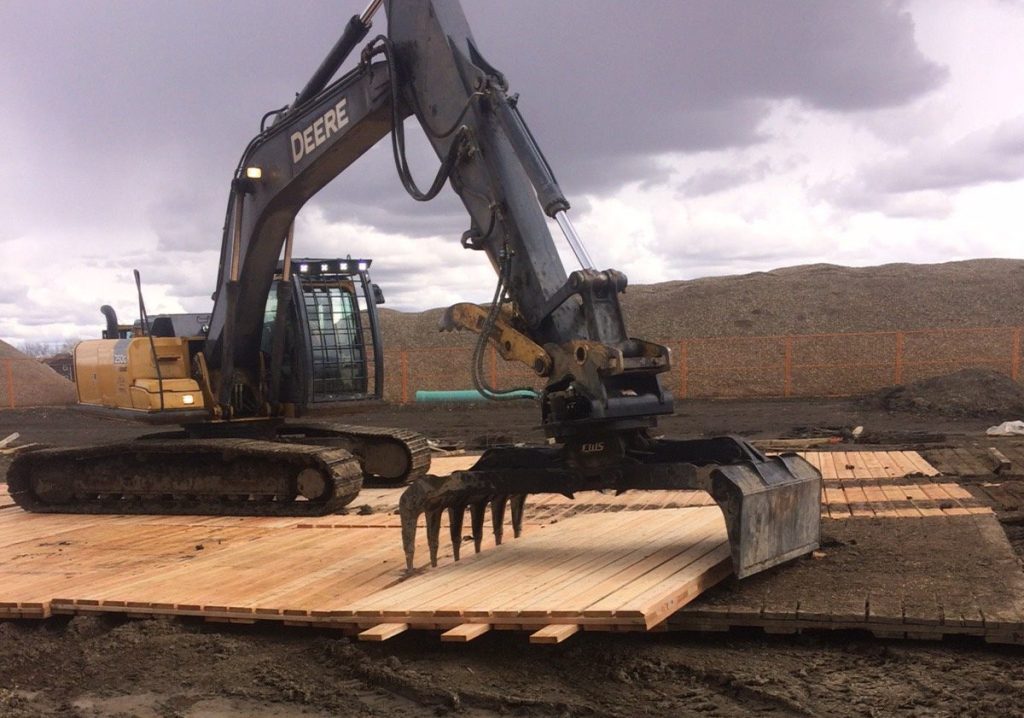
Access matting does more than support equipment. It also plays a key role in protecting the surrounding environment and maintaining project efficiency. Ground access mats are designed to minimize surface damage while allowing work to continue uninterrupted. Soft or wet terrain can quickly slow down operations if proper support isn’t in place. Equipment can become stuck, timelines can fall behind, and environmental damage can increase.
Ground access mats help solve these challenges by:
- Distributing weight evenly to prevent rutting and soil compaction
- Reducing erosion and protecting sensitive landscapes
- Maintaining traction for safer equipment operation
- Creating consistent working surfaces that improve productivity
In many regulated industries, access matting is required to meet environmental standards. It helps reduce the footprint of construction activities while keeping projects moving forward. An accessibility mat can also be used in certain scenarios to create safe walkways for crews, adding another layer of safety and organization to the job site.
Choosing the Right Access Matting Company for Your Project
